Everyday Eating Habits

Inside the Kitchen Tradition Behind Biblical drink (oil)/ Honey blend and the Meal Habits People Are Talking About

A closer look at where Biblical drink (oil)/ Honey blend comes from, the meals it once appeared in, and simple everyday habits worth exploring alongside your regular care routine.

Everyday Nutrition  ·  Daily Habits  ·  Educational Content  ·  Everyday Nutrition  ·  Daily Habits  ·  Educational Content

The Familiar Rhythm of Meal Days

It starts before you even notice it — the fork set down, the plate cleared, and twenty minutes later your focus drifts and the couch starts looking tempting. These small moments are familiar to anyone who pays close attention to how meals shape the rest of the day.

The Post-Lunch Energy Dip

A satisfying lunch can be followed by a slow afternoon slump — a familiar rhythm for many who track how meals affect their day.

The Groggy Morning Start

Waking up tired despite a full night's sleep is a common thread in conversations about everyday eating routines.

Menu Confusion at Mealtime

Between conflicting food lists and shifting advice, deciding what belongs on the plate can feel like solving a new puzzle every day.

Decision Fatigue, Meal After Meal

Weighing every food choice, three times a day, adds a quiet mental load that builds up over the course of a week.

Kitchen Myths Worth a Second Look

Some ideas about food repeat so often they start to sound like fact. Here’s a closer look at three that come up often in everyday conversations about meals.

MYTH

All carbohydrates affect the body the same way.

FACT

Carbohydrate sources vary widely — whole grains, vegetables, and refined sugars are prepared and enjoyed very differently across traditional cooking.

MYTH

Fruit should be avoided altogether.

FACT

Fruit has been part of everyday meals across cultures for generations, often paired thoughtfully with other foods rather than eliminated.

MYTH

There’s a special category of ‘diabetic food.’

FACT

Most kitchens rely on the same shared ingredients — the difference often comes down to portion and pacing, topics best discussed with your healthcare provider rather than a food label.

Three Everyday Meal Habits Worth Exploring

Small shifts in how a meal is eaten — not just what’s on the plate — are often part of an everyday routine. These are simple starting points to notice, alongside guidance from your own healthcare provider.

01

Mind the Order on the Plate

Some people like to start with vegetables, move to protein, and finish with starches — a simple sequencing habit worth noticing during your own meals.

02

Slow Down the Pace

Eating slowly, chewing fully, and pausing between bites gives a meal more room to be enjoyed rather than rushed through.

03

Add a Short Walk Afterward

A gentle walk after eating — even just around the block — is a habit many build into their evening routine as part of everyday movement.

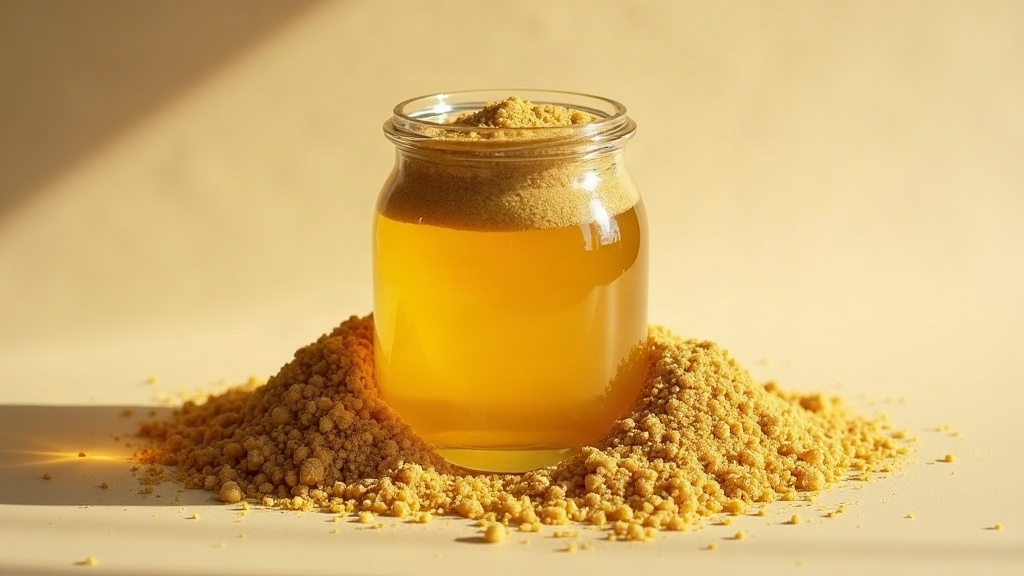
The Story Behind Biblical drink (oil)/ Honey blend

Long before it had a name on a label, a blend resembling Biblical drink (oil)/ Honey blend traveled through Mediterranean and Middle Eastern kitchens, where oils and honey were everyday staples rather than specialty items. Honey sweetened bread and tea; oil dressed vegetables, grains, and simple stews served at the family table. Old-world recipes and historical texts reference oil and honey side by side — used in cooking, in hospitality, and in the seasonal rhythms of harvest. The pairing traveled through folk kitchens across generations, passed along more as a culinary custom than a formal recipe. It sat on the same shelf as other pantry staples, brought out for warm bread, for tea, or to finish a dish just before serving.

Today, the same combination shows up in home kitchens as a nod to that older culinary habit — rooted in tradition and taste, not a clinical formula.

Everyday Moments Worth Mentioning to Your Doctor

Energy That Shifts Sharply During the Day

If your energy swings noticeably between meals, it's worth bringing up at your next appointment with the provider who knows your history.

Meals That Feel Harder to Plan Than Before

A sudden change in how confusing or overwhelming meal planning feels is a good topic to raise with your healthcare provider.

Sleep That Doesn't Leave You Rested

Ongoing tiredness despite adequate sleep deserves a conversation with your doctor rather than a guess at the cause.

New or Unusual Cravings

Noticeable shifts in appetite or cravings are worth mentioning at your next check-in, especially if they feel different from your usual pattern.

Questions About Your Current Routine

If you're wondering whether any part of your eating or activity routine should change, your healthcare provider is the right person to ask — never adjust a prescribed routine on your own.

Any Change That Feels Out of the Ordinary

When something about your day-to-day pattern feels different, a conversation with the provider who follows your care is always the appropriate next step.

Everyday Routines, In People's Own Words

Building a short walk into my evening after dinner has become something I look forward to, not just another task on the list.

Marta Higgins
Illustrative account
Rethinking the order I eat things in made mealtime feel less rushed and more intentional.
Daniel Cho
Illustrative account
Having a simple rhythm for lunch — protein first, then the rest — helped take some of the guesswork out of my afternoons.
Renata Alves
Illustrative account

These reflections describe personal routines and experiences. They are not a guarantee of similar outcomes, and individual results vary. Always consult your healthcare provider before changing your diet, activity, or any prescribed treatment.

Curious About the Story Behind Biblical drink (oil)/ Honey blend?

Explore the tradition, the kitchen habits, and the everyday routines people are talking about — and keep your healthcare provider part of any decision about your diet or treatment.

Advertising Disclosure: This is sponsored content. This page may contain affiliate links, and we may receive compensation if you make a purchase through one of these links, at no additional cost to you.

Content Disclaimer: This content is for educational purposes only and has not been evaluated by the FDA. It is not intended to diagnose, treat, cure, or prevent any disease, and it does not substitute for professional medical advice. Always consult a qualified healthcare professional before changing your diet, routine, or any prescribed treatment.

Results Disclaimer: Individual results vary. Testimonials reflect personal experiences and opinions and are not a guarantee of similar outcomes for anyone else.

© 2026 · All Rights Reserved